
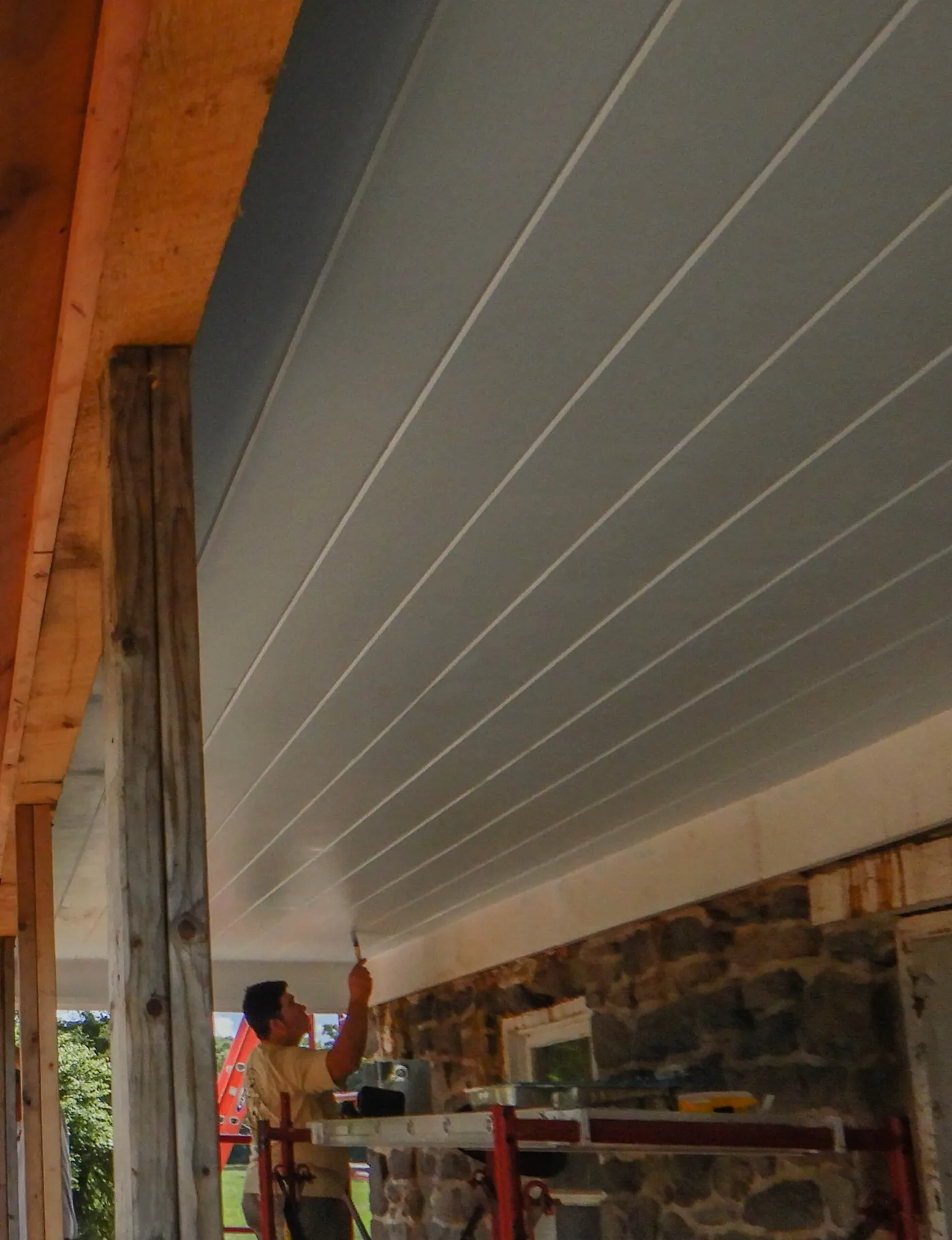
Deck Staining Timed to the Moisture Test
We clean, brighten, and moisture-test your Troy deck before any stain comes out of the truck, then work the dry stretches of late spring and early fall so the finish soaks in and stays.
What makes a stain job last in Troy?
Because finish applied over mill glaze or dirt fails early no matter what the can cost. So we clean, scrub, and brighten first, test the wood for moisture, and only then open the stain. Prep is most of the labor on a staining job. It is supposed to be.
Cleaner, Then Brightener
Deck cleaner and a scrub lift dirt and dead gray fiber; wood brightener neutralizes it and opens the pores.
The Sprinkle Test
We sprinkle water before staining. Beads mean wait. Soaks in within about ten minutes, the wood is ready.
Honest Finish Advice
Clear, toner, semi-transparent, semi-solid, solid. We explain how each one wears and fails before you pick.
Stain That Seals
Most modern stains are sealers too, so we will not sell you a separate sealer coat you usually do not need.
Weather We Wait For
The dry late-spring and early-fall stretches are the staining windows here. We schedule around them, then verify with a moisture check.
Leftovers Handled Right
Leftover stain and solvents go to household-hazardous-waste collection, labeled and lidded, never the trash or the ground.
When Is a Troy Deck Actually Ready to Stain?
When the wood is dry inside, roughly 15 percent moisture content or lower. That is the whole gate. Not 30 days, not one full season, not whatever number gets passed around at the paint counter. Moisture decides, and moisture varies with lumber, weather, sun, and shade.
The field test costs nothing. Sprinkle water on the boards. If it beads, the wood is still too wet or still glazed, and stain applied now will sit on top and fail early. If it soaks in within about ten minutes, the deck is ready.
Around here that usually means a dry stretch in late spring or early fall, inside the April-to-October season. A shaded deck in Timbercrest can lag a sunny one by weeks. So we test the actual boards, the day we stain.
From gray boards to a finished deck
Four steps, in an order we never shuffle. The first three are prep, and prep is the part that decides how long the finish lasts.
Clean and Scrub
Wood deck cleaner with a stiff scrub, or a light pressure wash, strips dirt, mildew, and dead gray surface fiber.
Brighten and Rinse
Wood brightener neutralizes the cleaner and opens the pores so finish can penetrate instead of sitting on the surface.
Check the Moisture
The deck dries until sprinkled water soaks in within about ten minutes, roughly 15 percent moisture content or lower.
Stain and Note
We apply the finish you chose, label the leftover can, and leave a written note on when to recoat.
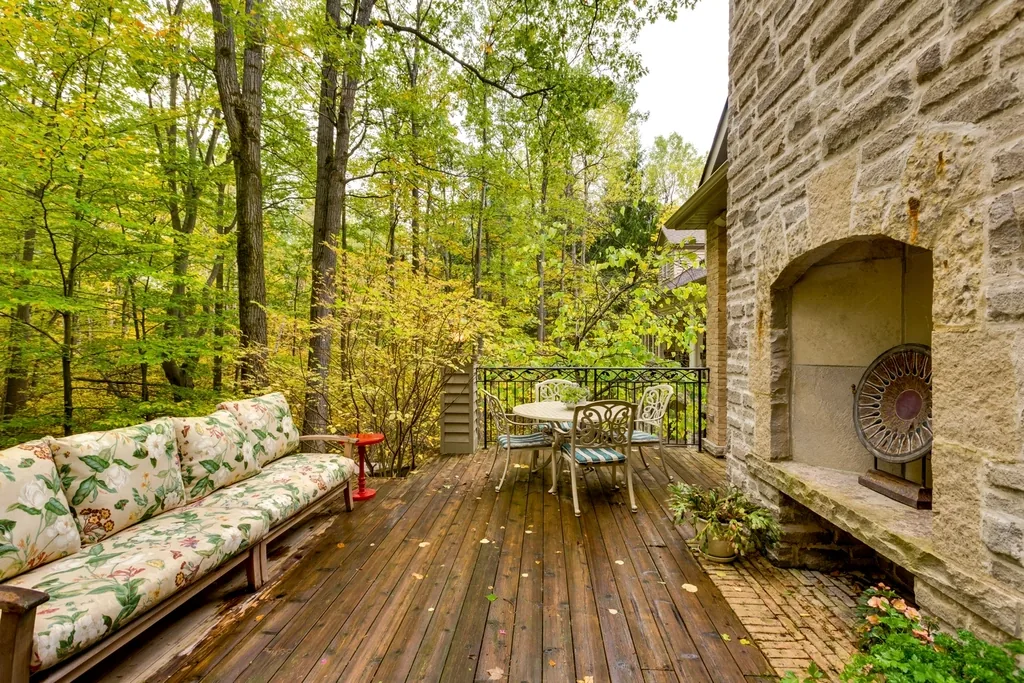

One staining window, all of Troy
The staining season here lives inside the April-to-October build year, and the workable windows are its dry stretches, late spring before the humidity and early fall after it. We clean, brighten, moisture-test, and stain or seal wood decks across Troy, from Sugar Maple Village to Timbercrest to Westwood Park, then haul the leftovers to household-hazardous-waste collection. Many of these decks date to the 1970s and 1980s, and age matters: EPA notes that a regular penetrating coating may reduce leaching from older treated lumber built before 2004, so on those decks a steady stain schedule earns its keep. We check the wood, not the forecast, before we open a can.
- ✓ Cleaner and brightener
- ✓ Sprinkle moisture test
- ✓ Clear through solid
- ✓ Recoat scheduling
- ✓ Pre-2004 decks
- ✓ Hazardous-waste dropoff
We never stain over gray fiber or wet wood; the cleaner, the brightener, and the sprinkle test come first on every job. We wait for the dry window even when the calendar is tight. You keep the labeled leftover stain and a written recoat note.
Deck services for Troy homes
New builds, tear-outs, composite conversions, structural repairs, finish work, and roofed rooms, handled start to finish by one local team.
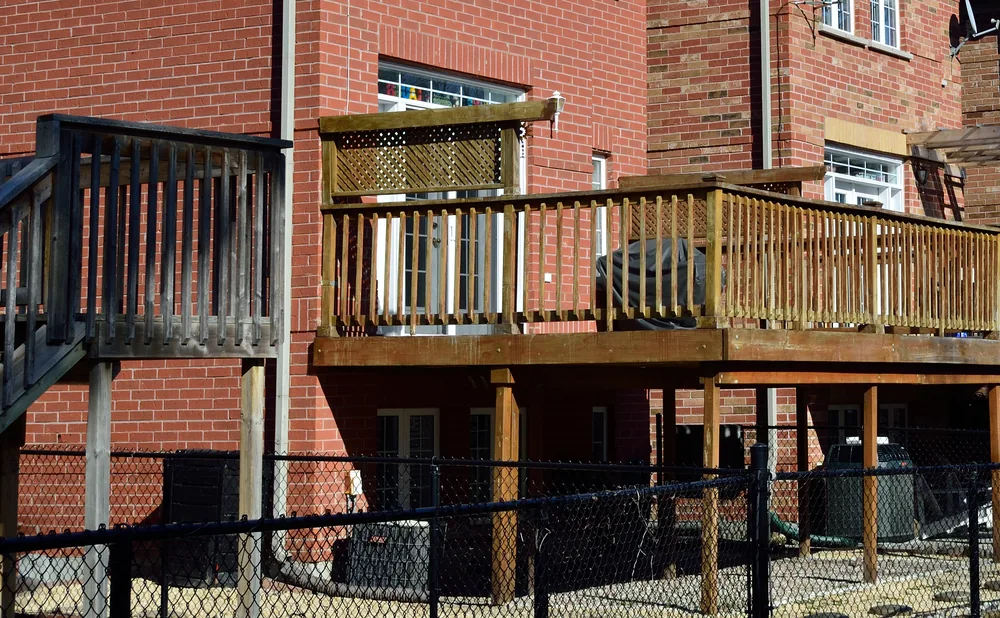
Deck Building
New custom decks engineered for frost-deep footings and Troy's permit process.
Learn more →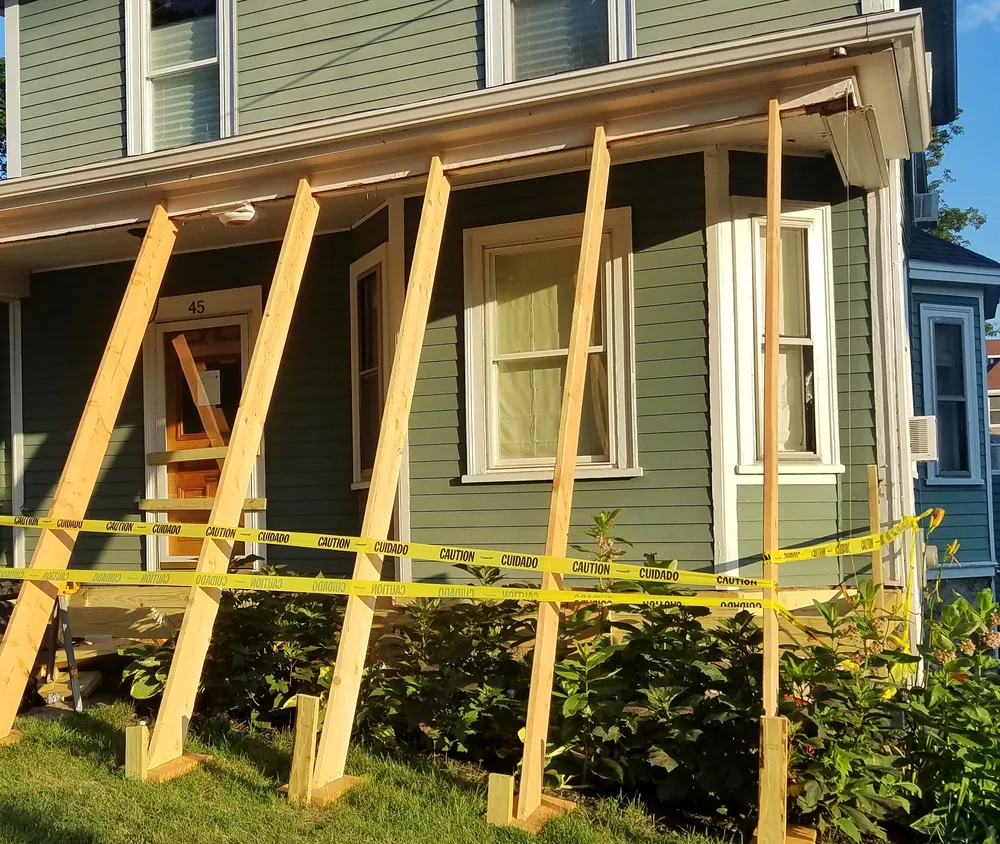
Deck Replacement
Tear-out and rebuild for decks from Troy's 1960s-80s building boom.
Learn more →
Composite Decking
Capped composite installed to the manufacturer's gapping spec, HOA colors included.
Learn more →
Deck Repair
Probe-first repairs for heaved footings, soft posts, and loose railings.
Learn more →
Deck Staining & Sealing
Cleaning, brightening, and finish work timed to the dry windows.
Learn more →
Three-Season Rooms & Screened Porches
Roofed, screened, and glassed rooms that stretch deck season into November.
Learn more →Deck builders across Oakland County
Staining runs on weather windows, so we route jobs tightly. When a dry stretch opens we work Troy first, then nearby decks in Rochester Hills and Clawson the same week. Same prep, same sprinkle test, same moisture gate everywhere.
Straight answers on staining a Troy deck
The next dry stretch fills fast
Staining windows here are short. Get on the list now, the quote costs nothing, and when the next dry stretch opens your deck is already on the route.