

Composite decking built for Michigan weather
Capped composite boards installed to the manufacturer's spec on Troy decks that see sub-zero Januaries and 90-degree July afternoons. Gapping, fasteners, and warranty paperwork all handled properly.
Composite or wood for a freeze-thaw climate?
Freeze-thaw is the filter. Here is how the four common decking choices hold up when a deck lives through Michigan winters.
| Decking | Upkeep cycle | Stain/seal ever? | Freeze-thaw note | Best for |
|---|---|---|---|---|
| Pressure-treated pine | Clean and re-coat on a cycle | Yes, on a cycle | Wet boards move as they dry | Lowest upfront cost |
| Cedar | Regular refinishing | Yes, to hold color | Silvers fast left bare | Natural grain on a budget |
| Capped composite | Soap-and-water wash | No | Cap shrugs off freeze-thaw cycling | Low-upkeep family decks |
| Cellular PVC | Occasional rinse | No | Nothing in it absorbs water | Pool decks, damp shaded lots |
Composite installed the way Troy's climate demands
Composite makes sense here because it deletes the stain-and-seal cycle Michigan weather makes miserable. The catch is installation. Composite is less forgiving than wood, and the crew's gapping and fastener discipline decide whether the manufacturer's warranty ever means anything.
Capped board only
We quote current capped composite, never uncapped first-generation product. The co-extruded cap is what earns the low-upkeep reputation.
ICC-ES checked brands
Every board line we install carries an ICC-ES evaluation report under ASTM D7032. Ask us to show you the report.
Gapped off the board
Side gaps at 1/8 to 3/16 inch, minimum 3/16 at the house, set by surface temperature, not the forecast.
Hidden fasteners, one system
Where the board system calls for clips, we use them, and we never mix brands. Mixed systems create warranty problems.
Frames checked first
Sound wood frame? We can resurface it in composite. Rotted ledger or posts? We tell you straight, before you spend.
HOA paperwork handled
The city recommends HOA sign-off before deck work. We prepare the samples and specs your association can approve quickly.
How does a composite deck install actually go?
Four visible steps from the first walk-through to warranty paperwork in your hand. Here is how we run a composite job here.
Walk-through and frame check
We measure, probe the existing frame if there is one, and talk boards, colors, and railing. You get a written quote.
Board and HOA approval
You pick a capped board line with an ICC-ES report. If your association reviews color, we hand you the sample packet.
Permit, then footings
Attached decks in Troy need a city permit. Footings go 42 inches down, below Michigan frost, and get inspected before pour.
Install and handover
Boards gapped to the surface-temperature spec, hidden fasteners where the system calls for them, then warranty registration paperwork handed to you.
Composite work across Troy's neighborhoods
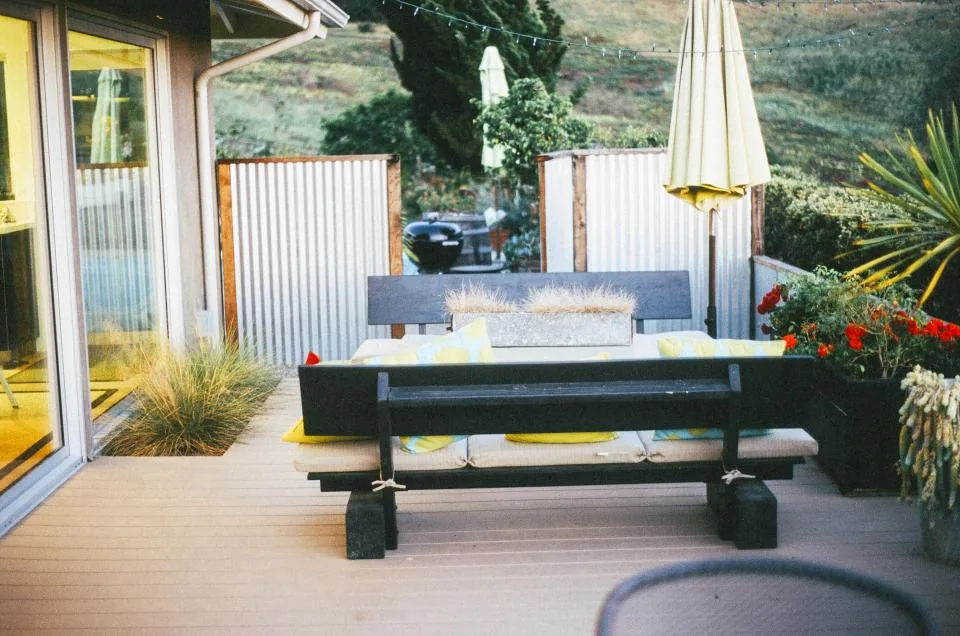
Composite deck installation in Troy, MI is a gapping job first. Composite moves with temperature, and boards here see sub-zero Januaries and 90-degree July afternoons, so the expansion spec matters more here than in mild climates. We set 1/8 to 3/16 inch side gaps, hold a minimum 3/16 inch wherever a board meets the house, and read the surface temperature of the board, because dark boards run far hotter than the air. We install capped composite decking across Troy, from new decks to wood-to-composite resurfacing over sound frames, with hidden fasteners and warranty paperwork handed over at completion. Homeowners in Emerald Lakes Village and Lake Charnwood often ask about HOA sign-off; we prepare the packet.
- ✓ Capped composite boards
- ✓ Hidden fastener systems
- ✓ Surface-temp gapping
- ✓ Wood-to-composite resurfacing
- ✓ HOA color packets
- ✓ Warranty paperwork handover
We gap every board to the manufacturer's spec, working off the board's surface temperature, not the forecast. We use hidden fasteners wherever the system calls for them and never mix clip brands. And before we leave, the warranty registration paperwork goes into your hand, not our truck.
Deck services for Troy homes
New builds, tear-outs, composite conversions, structural repairs, finish work, and roofed rooms, handled start to finish by one local team.
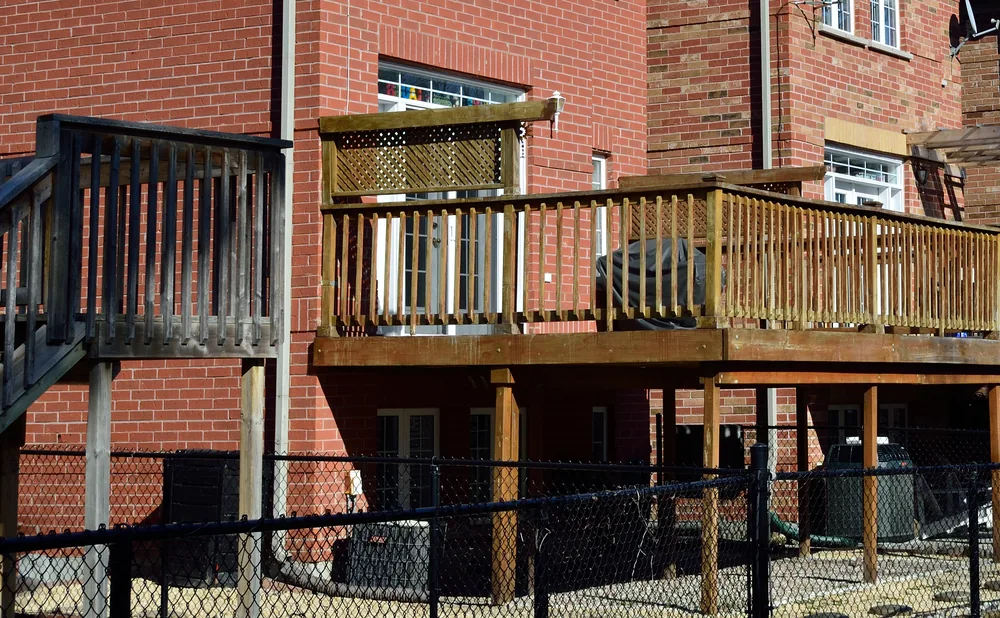
Deck Building
New custom decks engineered for frost-deep footings and Troy's permit process.
Learn more →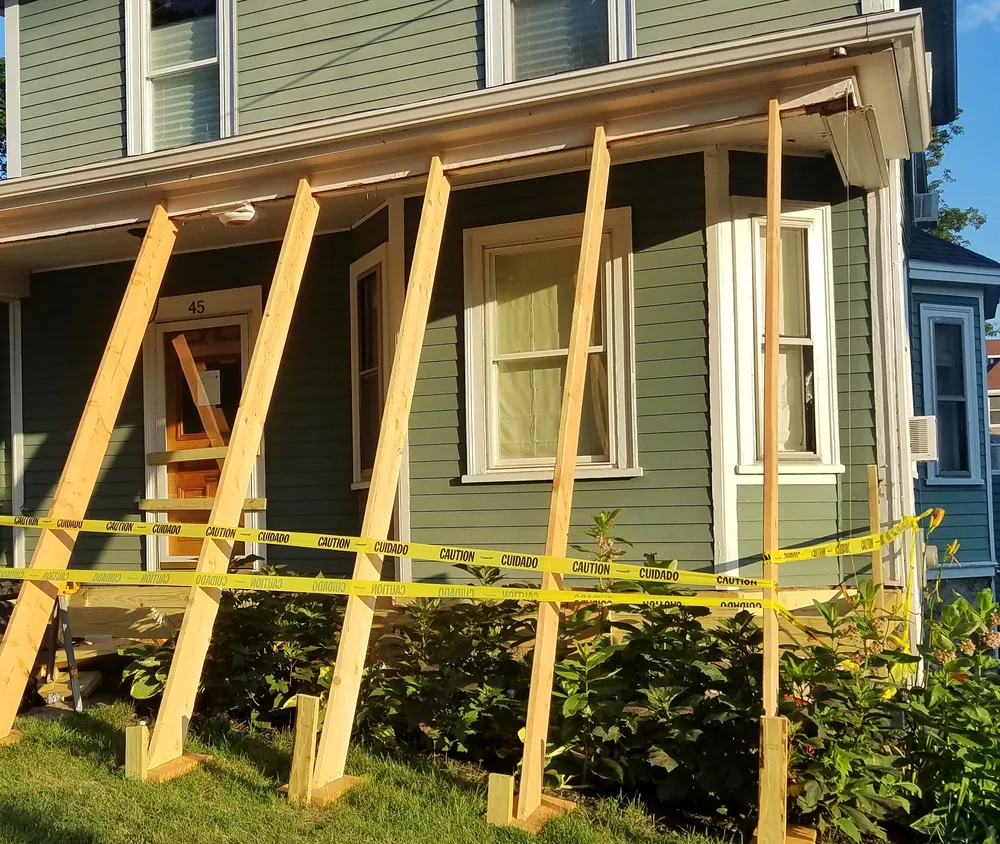
Deck Replacement
Tear-out and rebuild for decks from Troy's 1960s-80s building boom.
Learn more →
Composite Decking
Capped composite installed to the manufacturer's gapping spec, HOA colors included.
Learn more →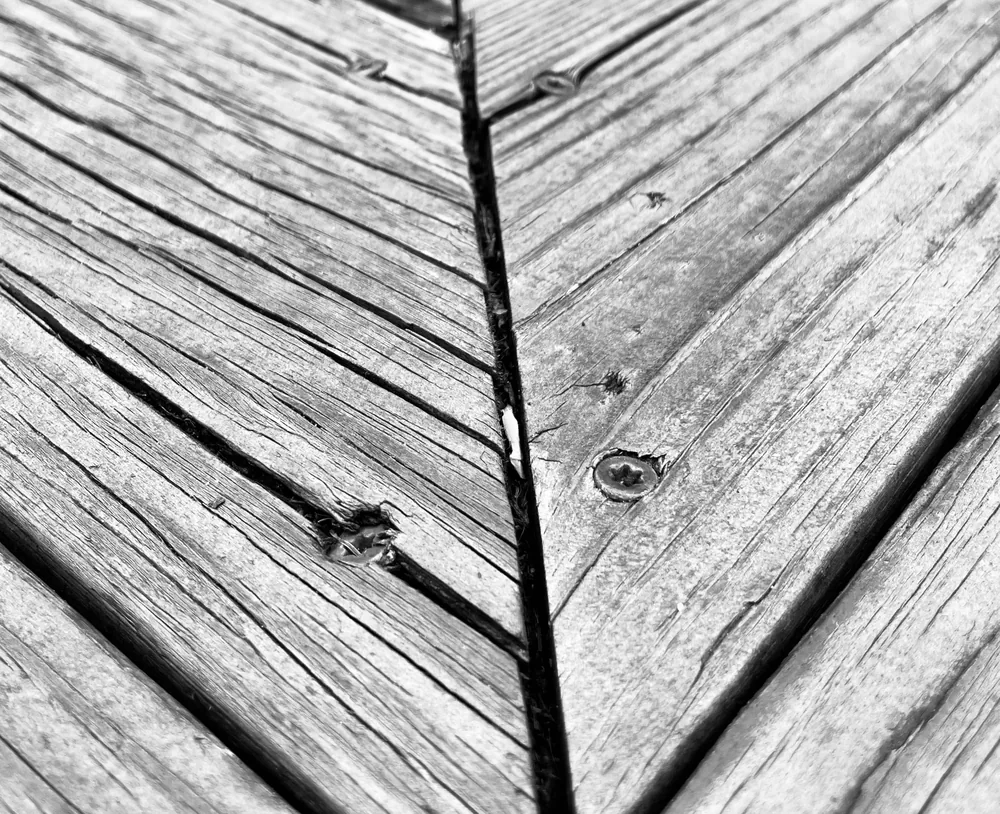
Deck Repair
Probe-first repairs for heaved footings, soft posts, and loose railings.
Learn more →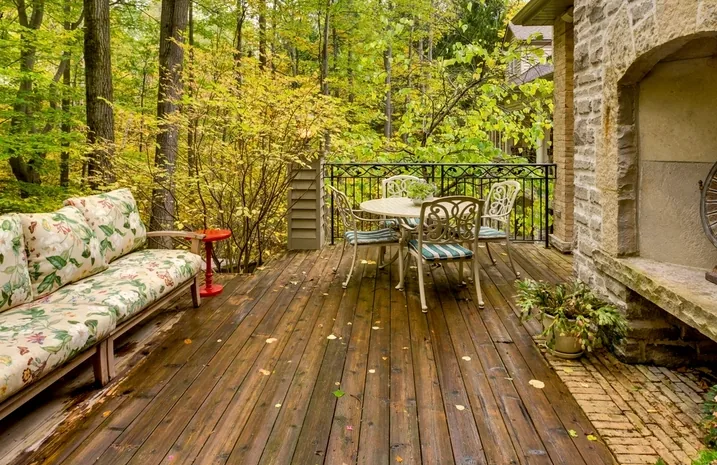
Deck Staining & Sealing
Cleaning, brightening, and finish work timed to the dry windows.
Learn more →
Three-Season Rooms & Screened Porches
Roofed, screened, and glassed rooms that stretch deck season into November.
Learn more →Deck builders across Oakland County
Composite installs run well beyond Troy's borders. We take on capped composite decks and wood-to-composite resurfacing in Rochester Hills, Birmingham, and the neighborhoods between them, same gapping spec, same fastener discipline, same paperwork. If your town sits close, ask.
Straight answers on composite decking in Troy
Trade the stain cycle for good
Tell us your square footage and the look you want. We bring board samples, check your frame, and put a written, no-obligation quote in your hand. The quote costs nothing.